

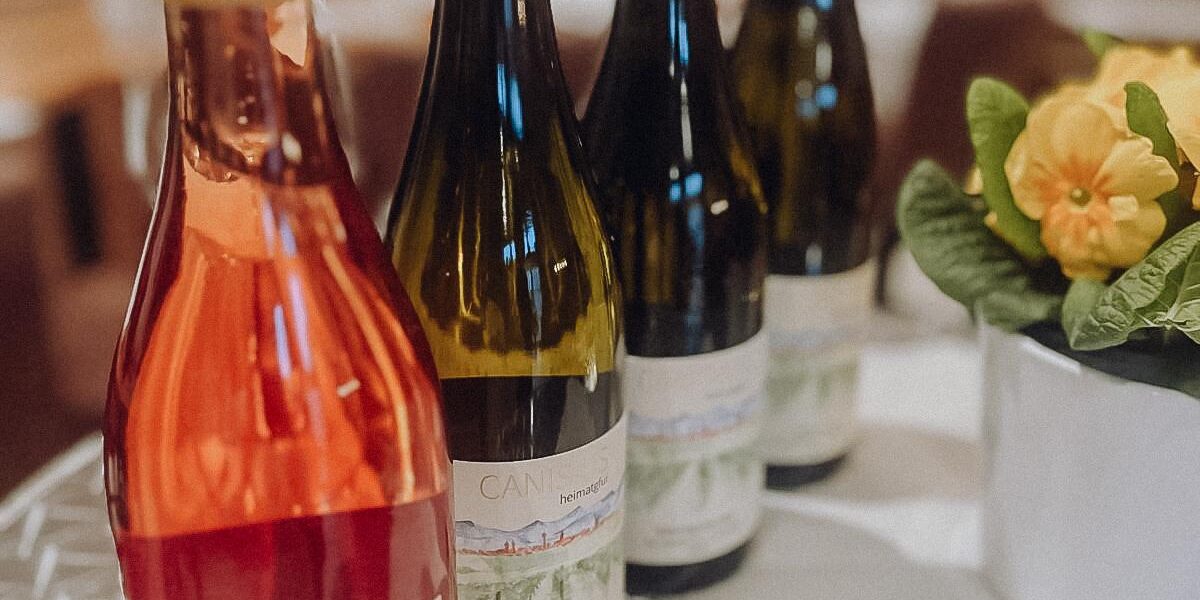
Wine from the Dachau region: What was long considered unthinkable is now growing on the Arzbach hillside, overlooking Munich.
Anyone hearing about the Canisius vineyard for the first time usually reacts with the same question: “Wine from the Dachau region? That’s impossible.” Yet the answer is: It is possible. This is demonstrated by the passion project of the Großmann-Neuhäusler family from Pasenbach near Munich—a family with agricultural roots in potatoes, vegetables, and preserves. What began as a bold idea has now become the first organically cultivated vineyard in the Dachau region near Munich.
It all started with an idea—and a special hillside
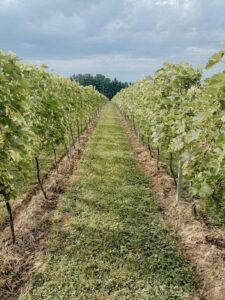
Driven by a passion for wine, Peter Großmann-Neuhäusler had long harbored a desire to grow and produce his own wine; the only thing missing was the right vineyard site. When he acquired the Arzbach hillside—historically known as the “Weinbreite”—a few years ago, everything suddenly became clear: “I knew right away that this was where we would plant the vines for our first wine from the Dachau region.”
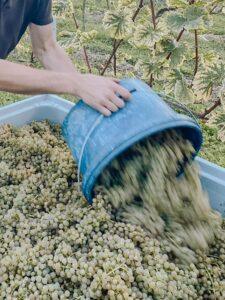
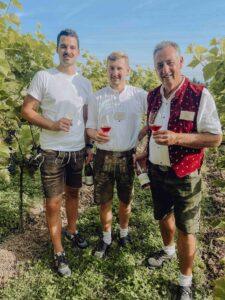
No sooner said than done—the first vines were planted in 2021. His son, Johannes Großmann-Neuhäusler, supported the project from day one: “The vines thrived better than expected. We were out on the hillside almost every day—it was a wonderful project, but also a demanding one.” The inaugural harvest took place in 2023. After securing a partner for the pressing process and pouring a great deal of passion and heart into the individual grape varieties, the first bottles were finally filled in March 2024.
From the Slope to the Bottle
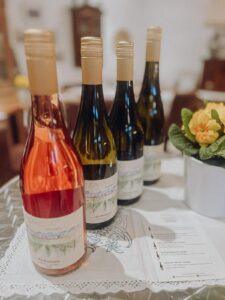
The current range includes three white wines, one red wine, and a rosé. The wines are now available from selected wine merchants and restaurants, as well as directly at the estate. An online shop is currently being set up.
“Most partners are immediately enthusiastic when they taste the wine for the first time. Naturally, we are pleased that the wine tastes good. But many are equally excited by the idea behind it: we are leveraging the potential of new grape varieties and changing climatic conditions to combine regional character with high-quality wine enjoyment in the Dachau region near Munich,” says wine expert and nephew Christoph Alessandri, who supports the family project with marketing.
Viticulture is changing along with the climate
It is no coincidence that wine can now be grown in the Dachau region. Longer growing seasons and milder winters have significantly altered conditions in recent years. What would once have been barely possible in climatic terms now works surprisingly well with the right grape varieties. For Weinberg Canisius, however, the goal is not to produce the largest possible volume of wine. Instead, the focus is on making responsible use of these new opportunities and demonstrating the potential of a region not previously associated with viticulture.
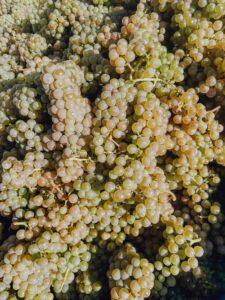
New grape varieties, new wine—and plenty of nature
It was clear from the start: if we were going to make wine, it had to be organic. That is why Weinberg Canisius consistently focuses on fungus-resistant grape varieties—known as *PiWis*. These are significantly more robust against fungal diseases and require far less crop protection than traditional varieties. Especially in a region with higher rainfall like Upper Bavaria, they provide the foundation for organic viticulture.
Today, varieties such as Souvignier Gris, Hibernal, Sauvitage, Cabernet Cantor, and Cabernet Cortis grow on the Arzbach hillside—innovative grapes offering exciting flavor profiles and great future potential. From the fresh citrus, quince, stone fruit, and herbal notes of the white wines to the spicy reds derived from Cabernet Sauvignon lineages, each variety brings its own unique character to the glass.
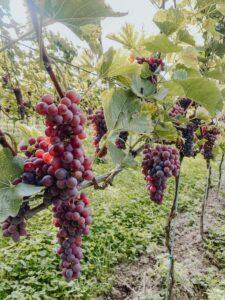
A Vineyard Overlooking Munich
Just a few kilometers outside Munich lies the Arzbach hillside, offering views of the Alps, the Frauenkirche, and the Olympic Tower—a setting well worth a visit for many day-trippers.
In 2025, the family hosted a wine festival at their own vineyard for the first time, featuring guided tours through the vines, tastings of organic wines, and insights into viticulture. More than 1,000 guests attended, enjoying the wines and the atmosphere amidst the vines in beautiful weather. The vineyard is intended to remain a place where people come together; through vineyard tours, tastings, and other events, the family aims to bring people together in the long term and demonstrate that wine culture is by no means limited to traditional wine-growing regions.
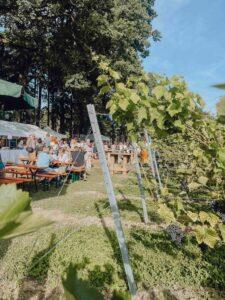
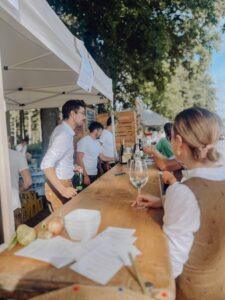

Innovation at the core, a passion for the craft
“For us, it’s about breaking new ground and combining tradition with innovation—in a region not previously known for winemaking,” says winemaker and farmer Peter Großmann-Neuhäusler. Even though viticulture demands a great deal of time, patience, and manual labor, Weinberg Canisius remains, above all, a labor of love. Perhaps that is precisely the secret to its success. After all, the most exciting ideas often emerge where no one is looking for them—and where people have the courage to follow their passion.
More information:
Website: www.weinberg-canisius.de
Instagram: https://www.instagram.com/weinberg_canisius